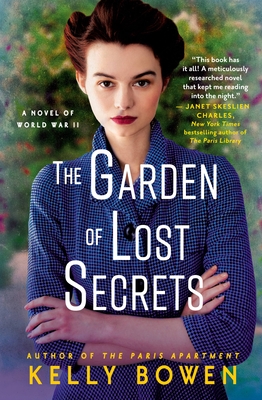
The story follows two protagonists, Stasia and Nicholas, during their activities as resistance fighters during World War II. The novel has those shifts that I find annoying but others like: shift between Stasia and Nicholas and shifts from 1944 to 2022 where two sisters are restoring a chateau that serves as the centering element throughout the whole novel for all characters.
The imagery of the chateau (pre and post restoration) is excellent; Bowen paints an easy to follow walkthrough and the reader can ‘see’ the chateau. The characters are well thought out, although I find them to be rather clichéd. This is very much a story of family – the family we grow up with and the family we make from the people that we meet during our lives. The themes of grief, loss, and love resonated with me throughout the reading. Does grief change us? For better or worse or both? Consider how you would have responded and reacted to the atrocities of the Nazi occupation. PTSD for sure. And what does that trauma make of you? This story delves into just that and leaves you wondering ….
The plot follows the standard formula of predictable conflicts and resolutions, which some readers enjoy and expect (not to mention publishers). What saved this novel for me was the unrestrained depictions of historical events; no holding back of the Nazi atrocities. Bowen’s descriptions of history horrify you and bring you to tears. It is difficult to read this part of our history, but always necessary in my opinion. “Lest we forget,” etc.
There are two different love stories playing out throughout the novel; again, I roll my eyes, yet Bowen pulls it off without too many clichés. One must give readers and publishers what they want, I suppose.
Overall, an excellent read if you love formulaic fiction and an even better read if you love historical fiction.
 Other Rivers
Leave a comment