
by Karen Yvonne Hamilton, 2025
I have felt for some time that I cannot write fiction because I am too “scholarly.” How to break out of academia and enter the world of imagination? Authentically!
David Robbins, author of Broken Jewel and The War of the Rats talked in an interview about his experience balancing being a scholar and a writer.
“It’s like a cockpit. I’ve got two desks. And it’s got the keyboard and when I’m writing, literally there’s open books all around me. Open books all around me for whatever scene I’m on. And it’s like flying a shuttle. You’re like touching this, touching that, touching that, and then you go type, type, type and turn the page, turn the page. And when you turn that page you gotta turn four other pages.
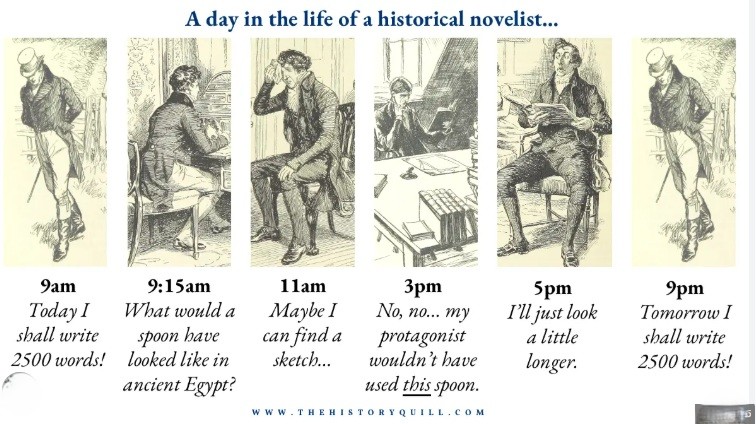
He just described my work space! ha ha
“And there’s a very strong intellectual component to writing historical fiction, I think beyond any other genre. ..The scholar gathers 100%. The writer picks the right 10%. You know, there’s a wonderful symbiosis there.”
I believe I am attracted to HISTORICAL fiction because it involves scholarly research. But you can quickly get mired down in the volumes of research and artifacts that you gather about a certain time, place, person. So, knowing the 10% ‘rule’ is freeing to me.
Robbins reminds historical fiction writers that they must write in a contemporary style (NOT Moby Dick style!) “…all fiction is storytelling. And all storytelling is about a character. It must begin, it must end with a character. So no matter where you put it, whether you put it in this garden, talking to you and me, or you put it in, you know, the Templars in the 1200s. It must be first and foremost about character.”
The CLASSICS versus CONTEMPORARY NOVEL.
This is an important distinction to me. The CLASSICS versus CONTEMPORY. Although you are writing about the past, sometimes very far past, you are still writing for a contemporary audience. If you want your novel read TODAY, in the present day, you must consider your audience.
So, I try to find novels that have been written in our present day. How did the authors craft these historical novels? What is important to remember as you pull together a story about ancient times, about medieval times, about the 19th century?
In short, what do TODAY’S readers want?
Gotham Writers has an article called “What Fiction Readers Want” by Laura Yeager. I’m not sure that I agree with all that it lists, but then again, I have a rather eclectic sense of what I like to read. Check out the article and see what you think.

You can also try this article from Writer’s Digest – The Top Ten Elements of a Book People Want to Read
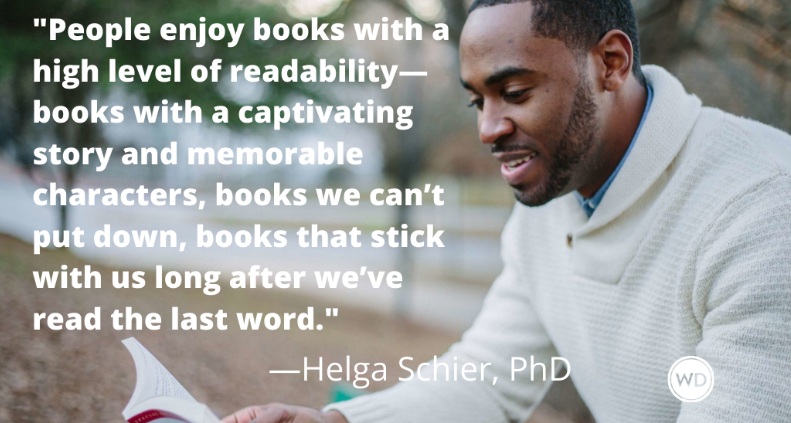
Anyway, I return to my book and paper strewn desk and attempt to craft a readable story set in the 1920s.
I remind myself this:
 Other Rivers
Leave a comment